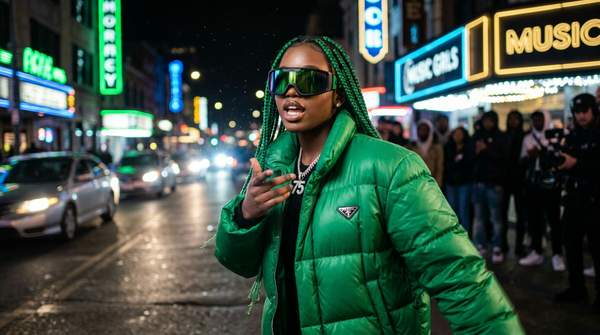
A fashion startup recently launched an entire campaign featuring AI-generated models and clothing that doesn't physically exist, cutting production costs by 80% and turnaround time from weeks to hours. This efficiency is driving a rapid shift in content strategy; the average cost reduction for a 30-second fashion ad using AI versus traditional methods is 75%, according to a Marketing Dive analysis. AI offers unparalleled speed and cost savings for video ad creation, but this efficiency could lead to a flood of generic content that dilutes brand identity. Companies prioritizing immediate cost savings risk their campaigns becoming indistinguishable from competitors.
The fashion and advertising industries are rapidly integrating AI. RunwayML, an AI video platform, reports a 300% increase in fashion brand sign-ups in the last quarter, according to RunwayML internal data. A 300% increase in fashion brand sign-ups indicates a fundamental redefinition of creative roles, demanding greater strategic oversight to maintain brand distinctiveness.
The Current State of AI in Fashion Advertising
AI tools now generate diverse models, settings, and clothing variations directly from text prompts, according to a Synthesia product demo. Brands like Levi's experiment with AI models to increase diversity in online imagery without costly photoshoots, according to a Levi's press release. Beyond visuals, AI personalizes video ads for different audience segments at scale, a task impossible for human teams, according to a Google Ads AI whitepaper. Early adopters report higher engagement rates for personalized AI-generated video ads, according to a NielsenIQ study. This enables brands to reach niche audiences more effectively, but also risks creating a fragmented brand experience if not managed strategically.
New Platforms Offer End-to-End Video Creation
New AI platforms facilitate full video ad creation—script, visuals, voiceover, and music—from a single brief, according to an InVideo AI launch announcement. Integrating advanced generative AI models, these platforms offer Sora-like capabilities for photorealistic or stylized video, according to TechCrunch. Some even feature 'digital twin' technology, creating AI versions of products for virtual try-ons and ads, according to Vogue Business. This significantly lowers the barrier to high-quality video production, enabling small businesses to compete with large brands, according to Forbes. The implication is a potential explosion of diverse, niche content, challenging established brand dominance.