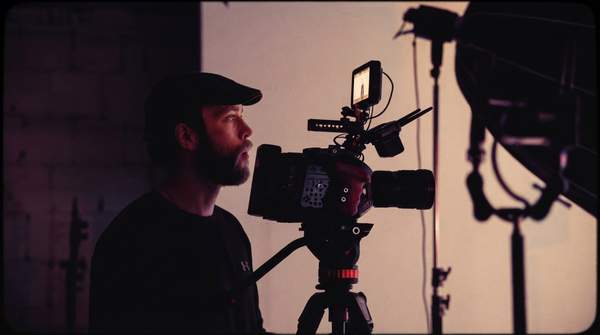
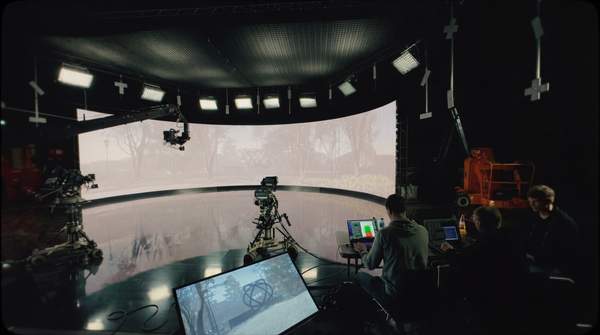
Virtual production reduces film production costs by 30-40% by consolidating multiple shooting locations into a single studio. This efficiency minimizes travel and simplifies logistics, allowing filmmakers to capture diverse scenes without moving crews and equipment. These savings enable independent filmmakers to allocate more resources to creative development, achieving higher production values for budget-constrained projects.
However, the initial investment for virtual production studios presents a considerable barrier, despite offering substantial long-term financial reductions. This tension between high upfront capital expenditure and operational savings shapes strategic decisions for independent producers, balancing immediate outlay against enhanced creative control and budgetary efficiency.
Independent filmmakers strategically leveraging virtual production can achieve higher production values more efficiently, altering indie cinema and challenging traditional production norms. Integrating advanced real-time visualization makes blockbuster-level aesthetics accessible, allowing smaller teams to compete creatively with larger studios and reshape financial and logistical models by 2026.
The Democratization of High-End Visuals
The cost of renting an LED volume has decreased from $75,000-$100,000 to $50,000-$75,000 per week (according to copilotco) due to industry growth, making sophisticated virtual production more accessible. The decrease in LED volume rental costs counters the perception of escalating costs, driven by increased competition and broader adoption, lowering the barrier to entry for independent creators.
Virtual production capabilities now make high-end video production accessible for small businesses and independent studios (Standardmedia Co Ke). The downward trend in costs, coupled with increased accessibility, allows independent creators and smaller enterprises to utilize tools once exclusive to large-scale productions (copilotco).
Weekly LED volume rentals for tasks like 2D plate playback cost $50,000-$75,000 (according to copilotco). A permanent LED stage might cost $35,000-$50,000 (copilotco). Weekly rentals offer project flexibility and avoid massive capital expenditure, while the lower cost of a permanent stage suggests a growing market for consistent, budget-friendly access. Short-term access to high-end virtual production allows smaller projects to bypass the prohibitive costs of building a permanent studio.
From Location Shoots to Studio Control
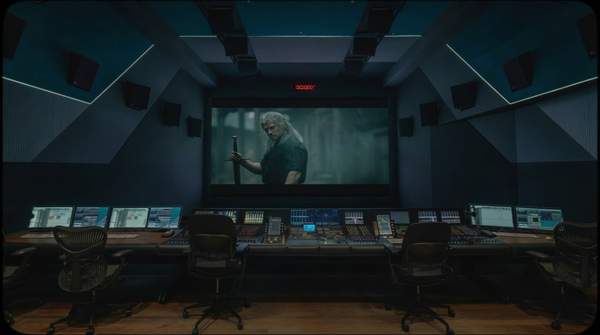
Virtual production uses LED screens to create environments during filming, blending performers with the location in real-time (Standardmedia Co Ke). This real-time integration streamlines production, eliminating many post-production challenges and logistical hurdles of traditional location shooting. Directors and cinematographers gain immediate visual feedback, enabling on-the-fly adjustments to lighting and environment.
| Aspect of Production | Traditional Production Model | Virtual Production Model | Benefit for Filmmakers |
|---|---|---|---|
| Environment Creation | Extensive physical location scouting and travel | Real-time LED screen environments on set | Reduced travel time and costs, greater creative control |
| Visual Effects Integration | Complex, time-consuming post-production compositing | On-set, in-camera integration with live action | Faster workflow, immediate visual feedback, fewer revisions |
| Schedule Flexibility | Dependent on weather, location availability, permits | Controlled studio environment, adaptable to schedule | Increased predictability, fewer delays, optimized shooting days |
Data compiled from Standardmedia Co Ke.
This on-set integration provides filmmakers enhanced control over their visual narrative, allowing iterative creative decisions directly on set. On-set integration accelerates the creative process and enhances overall efficiency.
The New Players in Indie Film
Building an 80 ft. diameter, 30 ft. height LED volume with rendering equipment costs $8 million-$16 million, excluding labor (copilotco). This substantial investment means large-scale virtual production infrastructure ownership remains largely with major studios or well-capitalized production houses. Independent filmmakers become strategic renters, benefiting from the technology without immense capital expenditure.
Independent filmmakers and small businesses seeking high-end visuals on a constrained budget are the primary beneficiaries. Renting provides access to advanced tools otherwise financially prohibitive. Traditional production models, reliant on extensive physical location travel and complex post-production visual effects, face increasing pressure due to higher logistical costs and longer timelines compared to virtual counterparts.
While virtual production offers creative freedom, only well-capitalized entities or those with consistent demand benefit from ownership. The evolving market favors agile independent productions that leverage rental models to achieve sophisticated visuals, rather than investing in permanent, expensive setups.
The Future of Independent Storytelling
Independent filmmakers are no longer priced out of high-end visuals, strategically positioned to leverage tools for projects previously impossible. The significant drop in LED volume rental costs from $75,000-$100,000 to $50,000-$75,000 per week (copilotco) and the 30-40% production cost reduction by consolidating locations (Standardmedia Co Ke) make it evident that independent filmmakers are no longer priced out of high-end visuals. Studios and independent producers not exploring virtual production risk subsidizing outdated models. As technology advances and costs decrease, virtual production will become an essential tool, empowering independent filmmakers to realize ambitious visions. By 2026, adoption of these techniques will likely accelerate, with companies like ARwall offering more integrated solutions to smaller studios.