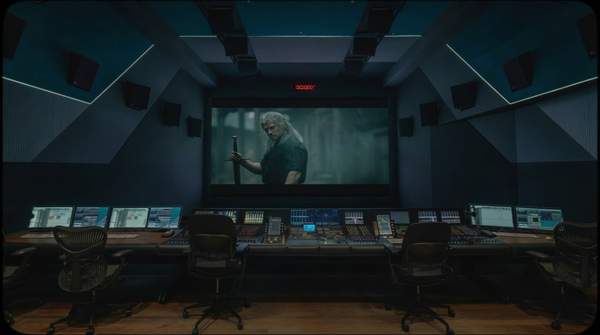
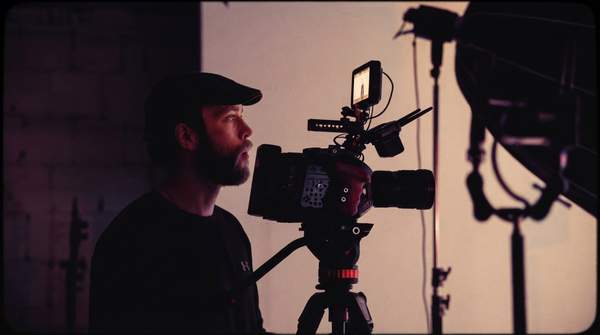
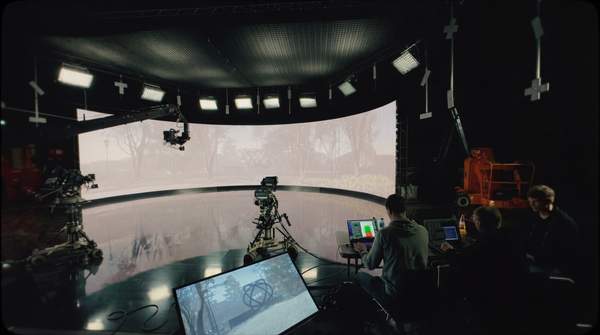
A sci-fi thriller, set in New York City, was filmed entirely inside a small 'micro-volume' for less than $50,000, achieving visuals that belie its modest budget, according to Filmplatforms. This independent production proves ambitious storytelling no longer requires extensive location shoots or multi-million dollar sets, fundamentally altering production possibilities for independent creators in 2026.
Virtual production is often associated with multi-million dollar blockbusters, frequently showcased on expansive LED stages during filming. Yet, its most impactful applications for independent filmmakers lie in affordable pre- and post-production workflows, not necessarily real-time on-set shooting. This distinction reveals a crucial area for strategic application of virtual production techniques for indie filmmakers in 2026.
Independent filmmakers who strategically integrate virtual production, particularly in early stages, gain a significant competitive edge in creative output and financial efficiency. This approach allows cinematic quality previously reserved for high-budget projects, bypassing traditional financial gatekeepers.
Beyond Blockbusters: Virtual Production for Every Budget
While larger productions use virtual production during filming with LED stages and motion capture, smaller films and series find substantial impact in affordable pre- and post-production workflows like previs and postvis, according to CGSpectrum. This adaptability removes virtual production from the exclusive domain of Hollywood giants. It offers benefits in costs, scheduling, and significant creative freedom, according to MDPI. These combined advantages empower independent creators to manage budgets and timelines more effectively, aligning creative aspirations with practical production realities and exploring imaginative concepts without traditional location or set limitations.
Building Worlds on a Budget: The Virtual Production Workflow
The Virtual Art Department (VAD) plays a central role in modern virtual production, creating real-time digital assets like props, characters, and environments. The VAD determines which elements are built digitally, used as live-action physical props, or created in post-production, as detailed by CGSpectrum. This early digital asset creation ensures consistent visual style and efficient resource allocation.