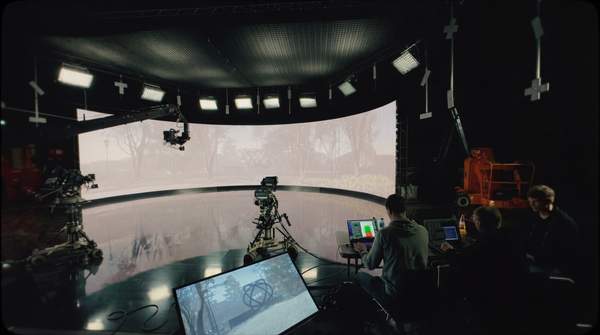
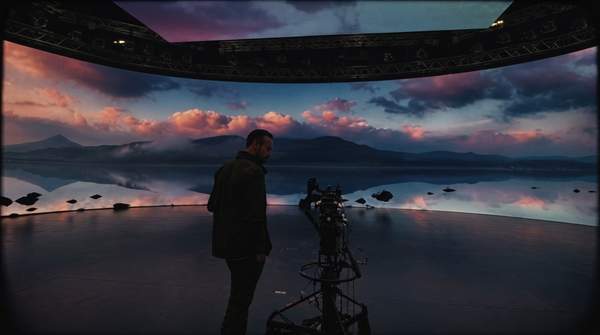
A complex virtual production shot, once requiring days of post-production, now returns in approximately five minutes using AI, costing mere dollars in credits. Beeble's SwitchX allows filmmakers to rebuild entire worlds around photographed actors and camera movement, significantly accelerating traditional visual effects workflows, according to ProVideo Coalition. The platform's 720p generation costs 3 credits per second, enabling granular pricing for high-end visual modifications.
AI makes sophisticated visual effects more accessible and faster, yet it introduces a new, credit-based economic model that fundamentally alters how production budgets are managed. This shifts away from fixed software costs, directly tying creative iterations to a finite, monthly credit allowance.
Filmmaking is poised to become significantly more agile and cost-effective for visual effects. However, studios and creators must adapt to a consumption-based pricing model that prioritizes efficiency over traditional fixed-cost budgeting. This model reshapes how creative exploration and iteration are financed.
How is virtual production changing filmmaking?
Beeble's SwitchX, a video-to-video model, enables rapid modification of lighting, backgrounds, and props within existing footage. It generates complex visual effects sequences with unprecedented speed, often completing shots in about five minutes, according to ProVideo Coalition. AI's pixel-level precision maintains artistic integrity while automating time-consuming visual changes.
Traditional VFX pipelines involve extensive manual compositing and rendering, stretching post-production timelines and budgets. SwitchX rebuilds entire worlds around photographed actors and camera movement, guided by pixel-level source footage. This capability transforms time-intensive post-production into a real-time, iterative design process. Automation ensures the original performance remains central, even with vast environmental alterations.
Integrating AI tools into production workflows means faster testing and refinement of creative decisions. Filmmakers can experiment with visual styles and environments without the prohibitive costs of traditional methods. This efficiency fosters a more dynamic creative process, allowing greater artistic flexibility in pre-production and on-set.

Navigating the New Economics of VFX
The credit system, despite its low per-second cost, can quickly constrain creative freedom, particularly for independent filmmakers.
- A single five-minute 720p shot consumes 900 credits, at 3 credits per second, according to Beeble Ai.
- The Beeble Creator plan offers 540 credits per month for $19, according to Beeble Ai.
- The Beeble Professional plan offers 2,400 credits per month for $60, according to Beeble Ai.
Beeble's SwitchX promises to democratize high-end filmmaking with its rapid shot returns. However, the credit-based model reveals a critical limitation: the entry-level Creator plan, offering 540 credits per month, cannot complete a single five-minute shot, which requires 900 credits. This forces indie creators into higher tiers or severely limits their output, restricting true democratization to very short clips or highly planned sequences. This shift to a credit-based economy for creative tools like SwitchX alters how filmmakers budget for iteration and experimentation, moving from fixed software costs to a variable, per-second expense that could inadvertently stifle the creative freedom AI aims to unlock.
This subscription and credit-based model shifts VFX budgeting from traditional project-based fees to ongoing consumption. It requires new financial strategies and careful credit management. Productions must now calculate not just software licenses, but also the potential iterative costs of creative exploration. This economic structure places a premium on efficiency and planning; every second of generated footage directly impacts the monthly budget, potentially centralizing creative control by limiting extensive, unbudgeted artistic iterations.
The Future of Creative Control and Workflow
- The SwitchX workflow utilizes a mask to determine which elements survive and which are replaced. A reference image, either AI-generated or a photograph, defines the transformed shot's final aesthetic, according to ProVideo Coalition.
This granular control over specific elements, combined with AI's generative capabilities, allows filmmakers to iterate on visual concepts with unprecedented precision. It means creative visions can be realized with exactitude, moving beyond broad strokes to fine-tune specific details of a scene. The workflow empowers directors and VFX artists to maintain direct oversight of the aesthetic outcome, ensuring AI serves as a tool for enhancement rather than an autonomous creative agent. This level of direct input ensures artistic intent remains paramount, even as the technical execution becomes automated.
By Q3 2026, Beeble and similar AI platforms were continuing to refine their credit-based models, influencing how filmmakers approach budgeting for visual effects. The balance between accessibility and the cost of creative iteration will likely shape the adoption rates of these technologies across the industry.