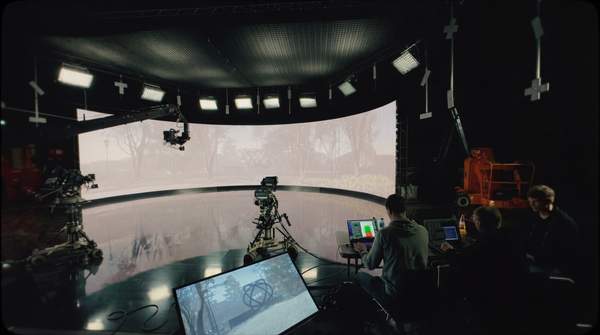
The film and television industry's significant ecological footprint, driven by energy-intensive processes, large-scale construction, and extensive travel, necessitates effective modern production techniques. This guide provides a ranked list for producers, department heads, and filmmakers seeking practical, impactful, and eco-friendly approaches from pre-production through post-production. Practices are evaluated based on their potential for environmental impact reduction, accessibility across different budget levels, and evidence of successful real-world adoption.
1. Energy-Efficient Lighting & Power — Highest Direct Impact on Carbon Footprint
LED (Light-Emitting Diode) fixtures consume up to 75% less energy than traditional tungsten or HMI (Hydrargyrum medium-arc iodide) lights, making the transition to modern lighting the single most impactful change for Directors of Photography, gaffers, and line producers to reduce a production's carbon footprint. This drastic reduction in electricity demand from generators or the grid not only cuts emissions but also reduces heat output, creating a safer, more comfortable set environment.