How Co-Production Meetings at International Film Festivals Work

A single film project can unlock up to 400,000 Euros in non-repayable grants from the German Federal Film Board, but only if its story and creative choices strategically justify international co-produ

AF
Amelia Frost

April 18, 2026 · 3 min read

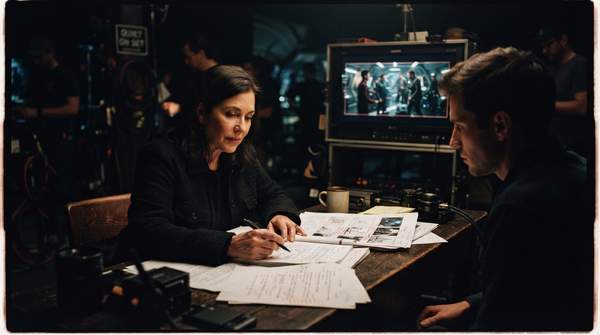
Filmmakers and producers networking at an international film festival, discussing co-production opportunities and funding.

A single film project can unlock up to 400,000 Euros in non-repayable grants from the German Federal Film Board, but only if its story and creative choices strategically justify international co-production, according to Ffa De. This substantial funding opportunity, accessible through co-production meetings at international film festivals in 2026, offers significant financial backing for ambitious projects.

However, international film festivals promise lucrative co-production opportunities, but success hinges on navigating complex cultural, financial, and contractual challenges that often go unstated. The allure of these grants can paradoxically shift focus from essential creative justification to mere financial pursuit, increasing the risk of project failure if cultural alignment isn't prioritized.

Therefore, producers who prioritize strategic project development and robust collaborative frameworks over simply chasing funding are most likely to thrive in the global co-production landscape, ensuring their ventures achieve both creative integrity and financial viability.

The Global Stage for Film Collaboration

International co-production meetings are vital for unlocking national benefits across borders. Official co-productions gain access to public programs and qualify as national in each partner country, according to filmdaily. Beyond these tangible advantages, these gatherings foster essential industry dialogue on best practices and emerging challenges, as seen in discussions at the Documentary Conventions in Leipzig during 2018 and 2019, and a think tank at IDFA 2018, according to Professionals Idfa Nl. Such forums build a collective intelligence, ensuring the evolution of global filmmaking extends beyond individual projects to a shared, refined craft.

Navigating the Application and Participation Process

Securing a spot at co-production meetings demands a strategic understanding of eligibility. The ACE Producers' Annual Programme, for example, annually selects 18 experienced film producers, requiring a project in development suitable for international co-production, according to Screenuk. Participation terms vary widely based on a company's experience, track record, and the project's development and financing stage, according to scribd. This competitive landscape implies that while talent is crucial, established producers with a history of navigating these complexities often hold a distinct advantage.

The Hidden Hurdles of International Collaboration

International co-productions, despite their funding allure, introduce substantial hurdles. Producers face potential loss of creative control, cultural misunderstandings, and contractual disputes, according to professionals.idfa.nl. These are not mere logistical issues; they are complex human and legal dynamics capable of derailing a project if not proactively managed. The German Federal Film Board's attractive grants, for instance, could inadvertently encourage a transactional mindset, where financial incentives overshadow the vital need for genuine creative and cultural synergy, a risk professionals.idfa.nl explicitly caution against, stressing awareness and clear expectations.

Strategies for Successful Co-Production

Beyond financial planning, a clear creative vision and robust communication are paramount for aligning international partners and ensuring project integrity. Awareness and clear expectations are as critical as budgets, according to professionals.idfa.nl. True success in co-production hinges on story geography and creative choices dictating financial allocation, according to filmdaily. Projects lacking a strong strategy for cultural mediation and creative alignment risk exchanging potential funding for heightened project risk and inevitable artistic compromise.

Common Funding Questions Answered

What are the benefits of co-production meetings at film festivals?

Co-production meetings at film festivals provide access to dedicated funding opportunities, such as the German Federal Film Board's minority co-production fund, according to ffa.de. They also allow projects to qualify as national in multiple partner countries, unlocking diverse public programs and subsidies. This dual benefit of direct financial support and expanded national eligibility significantly enhances a project's resource base.

How to prepare for a co-production meeting at a film festival?

Preparation demands a project inherently suited for international collaboration, showcasing its creative justification and narrative adaptability. Cultivating clear expectations and cultural awareness with potential partners is as crucial as financial planning, according to professionals.idfa.nl. A compelling, adaptable story that transcends cultural divides remains central.

What are the key elements of a successful film co-production proposal?

A successful proposal highlights the project's international appeal, creative choices, and a clear budget breakdown. For example, applications to the German-French Project Development Fund for up to 50,000 Euros require simultaneous submission to the FFA and CNC, indicating a need for detailed, bilaterally compliant documentation, according to ffa.de. The proposal must clearly articulate how international collaboration enhances the film's artistic and commercial potential.

The Future of Global Filmmaking

If producers prioritize genuine creative and cultural synergy over mere financial incentives, the global co-production landscape will likely continue to expand, offering unprecedented opportunities for cinematic innovation through 2026 and beyond.