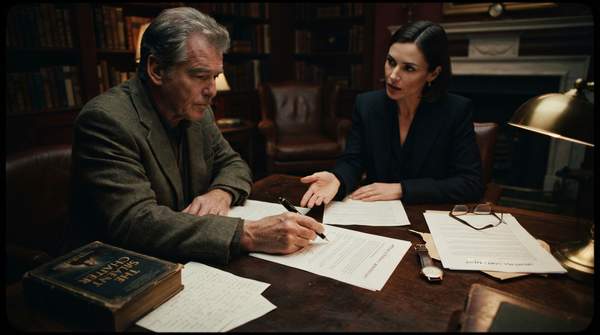
A study analyzed 2464 films from 1905 to 2019, revealing that even 'empty shots' follow quantifiable patterns and carry significant narrative weight. This extensive research, published in Nature, challenges traditional views of cinematic artistry by demonstrating a measurable, deliberate impact from seemingly vacant frames. Visual storytelling principles in cinematography are more meticulously engineered than previously acknowledged.
Cinematic visual storytelling is often perceived as a purely artistic endeavor, driven by intuition and creative vision. However, its most subtle elements are increasingly subject to rigorous scientific and quantitative analysis. This tension between subjective artistic interpretation and objective, data-driven understanding marks a fascinating frontier for cinematic exploration.
Audiences will increasingly engage with films on a more analytical level, appreciating the deliberate craft behind every frame, while filmmakers may gain new data-driven insights into visual impact. This shift promises a deeper appreciation for cinema's intricate visual language.
The Unseen Language of Film: How Visuals Guide Narrative
Film expresses its profound narratives and themes through a visual language of cinematography, employing signs and symbols. This intricate system, often guided by underlying scientific principles according to Frontiers in Psychology, shapes how audiences understand and feel a story. Far from accidental, this visual language is a carefully constructed system designed to elicit specific emotional and intellectual responses.
Every frame, every camera movement, and every lighting choice contributes to this visual lexicon. The composition of a shot, for instance, can subtly direct a viewer's gaze, emphasizing certain elements over others. Such deliberate control over perception reveals the engineered precision inherent in cinematic visual storytelling.
The Architect of the Frame: What is Cinematography?
Cinematographers and directors begin planning the visual components of a project during the pre-production stage, a critical phase that defines the film's aesthetic. This early collaboration ensures a unified vision for the visual narrative, according to the New York Film Academy. Their work lays the groundwork for the story's visual unfolding.