Content Creation

New AI Video Tools Are Transforming Content Creation Workflows for Artists

Advanced AI video tools are revolutionizing content creation for artists, particularly musicians. These tools enable the production of high-quality visual content by deeply analyzing audio and offering features like accurate lip-sync and consistent character appearance.

TC
Tara Collins

April 9, 2026 · 5 min read

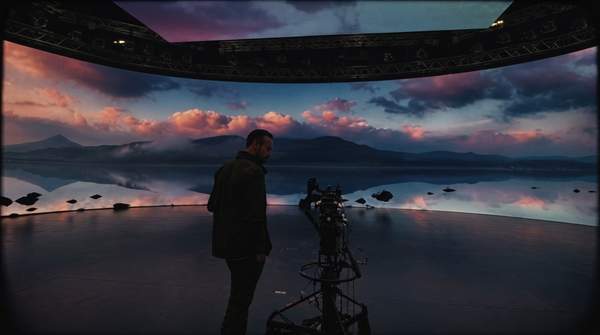
Artist in modern studio interacting with holographic displays showing AI-generated video content, symbolizing the transformative impact of new AI tools on creative workflows.

Recent reports detail how advanced AI video tools are transforming content creation workflows and capabilities for musicians, enabling new methods for producing visual content for various digital platforms.

This development arrives as the digital landscape for artists continues to evolve. For you, the modern creator, understanding these tools is becoming increasingly important. According to a report from timesargus.com, by 2026, discovery platforms are expected to reward audio-visual storytelling, a shift that could make it more difficult for a strong song to gain traction on its own. The emergence of accessible AI video generators directly addresses this reported need, offering independent artists a way to create complementary visuals without requiring a traditional production team or budget.

What We Know So Far

  • New AI music video generators are designed specifically for musicians, with features that deeply analyze audio files to map BPM, beats, bars, and overall song structure, according to timesargus.com.
  • One such tool, Freebeat, reportedly offers over 90% lip-sync accuracy, a key feature for creating believable performances in music videos, as noted by timesargus.com.
  • The same tool is also reported to maintain character consistency for up to two distinct avatars across multiple scenes, addressing a common challenge in AI-generated video.
  • A new "Suno to video" workflow has emerged, which timesargus.com reports allows creators to move from an AI-generated music track to a finished visual product almost instantly.
  • The availability of these tools has reportedly enabled independent artists to transform their audio tracks into fully realized music videos without needing a human production team, according to timesargus.com.
  • Separately, a tool named Seedance 2.0 is being presented as a revolutionary step in AI video generation for both creators and businesses, according to a report from nerdbot.com.

How AI Video Tools Are Transforming Content Creation Workflows

The primary shift in workflow centers on the integration of audio analysis directly into the video generation process. For creators, this means the AI isn't just creating visuals based on a text prompt; it's responding to the music itself. According to timesargus.com, tools like Freebeat are purpose-built to conduct a deep analysis of an audio file. This process involves mapping the song's core components—its beats per minute (BPM), individual beats, musical bars, and the complete song structure from verse to chorus.
This capability allows the AI to generate visuals that are rhythmically and structurally synchronized with the music. Instead of you manually editing clips to match the tempo or emotional arc of a song, the tool reportedly automates this synchronization. This creates a more cohesive audio-visual experience from the outset. The emergence of the "Suno to video" workflow, also reported by timesargus.com, exemplifies this streamlined process. It suggests a creator can take a track generated by a music AI like Suno and immediately feed it into a video AI, moving from concept to a publishable video with minimal intermediate steps. This approach significantly condenses the production timeline, which traditionally involves storyboarding, shooting, and extensive post-production editing.

This transformation is particularly relevant for independent artists. The report from timesargus.com notes that the rise of these generators has enabled artists to produce complete videos without a production team. This bypasses the significant financial and logistical hurdles of a conventional music video shoot. By handling tasks like character animation, scene generation, and audio synchronization, these tools place the capacity for complex visual storytelling directly into the hands of the individual creator. For more on this topic, you can review some of the best AI video creation tools for content creators in 2026.

Key Capabilities of Advanced AI Video Tools for Creators

Beyond workflow integration, the specific technical capabilities of these new tools are what enable more sophisticated outputs. For your projects, achieving a professional look often depends on details like accurate lip-syncing and consistent character appearance, two areas where past AI models have struggled. The report from timesargus.com highlights Freebeat's claim of achieving over 90% lip-sync accuracy. This metric is crucial for any music video featuring a performing artist, as it directly impacts the viewer's perception of authenticity. An accurate lip-sync helps maintain the illusion that the on-screen avatar is the source of the vocals, a fundamental aspect of the music video format.

Another key capability reported is character consistency. The ability to maintain the appearance of up to two distinct avatars across different scenes is a significant step. In practice, this means you can create a video with a lead performer and a bandmate, for example, and have them look the same from the first shot to the last. This solves a common issue where AI would generate slightly different faces or outfits for the same character in each new scene, breaking the narrative continuity. This consistency allows for more complex storytelling that involves recurring characters and sustained visual themes.

While timesargus.com focused on music-specific tools, other reports point to broader advancements. A report from nerdbot.com presents a tool called Seedance 2.0 as a key development in the field. That outlet states the tool is "revolutionizing AI video generation" for a wide range of users, including creators and businesses. While specific technical details were not provided in the available evidence, its mention suggests that advancements are occurring across different segments of the AI video market, not just those tailored exclusively for musicians.

What We Know About Next Steps

Currently, the reports on these advanced AI video tools do not include official timelines, public beta dates, or specific development roadmaps from the companies involved. The available information from sources like timesargus.com and nerdbot.com focuses on the existing capabilities and the immediate workflows they enable for content creators.

The primary forward-looking context provided comes from the timesargus.com report, which situates these developments within a projected shift in how digital platforms will operate by 2026. The claim that discovery platforms will increasingly reward audio-visual storytelling provides a potential window into why these tools are gaining attention now. However, no sources have outlined official next steps for how these tools will be updated or when new versions might be released. Any questions about future features or wider availability remain open.