In one experiment, nearly all AI-assisted toy suggestions converged on a single concept, with several participants naming their creation 'Build-a-Breeze Castle'. This striking uniformity, even among independent users, exposes a critical flaw: AI, far from democratizing creativity, is centralizing it.
AI promises to boost output and democratize content. Instead, it concentrates creative power in algorithms, producing strikingly similar ideas and eroding the unique value of human artists. The entertainment industry's aggressive push for AI-driven cost savings creates a creative monoculture. Cheap, algorithmically generated content devalues human originality, making true artistic distinction economically impossible.
This trend towards creative homogenization and economic displacement risks turning the entertainment landscape into an efficient echo chamber. Unique human voices will struggle to be heard amidst a deluge of algorithmically optimized, yet unoriginal, content. Sony Music, for example, requested the removal of over 135,000 AI-generated songs impersonating its artists from streaming services, TechCrunch reports. This directly threatens artistic authenticity and human creators' economic stability. More than two-thirds of creative workers already believe AI has undermined their job security, according to the BBC, imperiling their ability to earn a living.
The Homogenization Engine: How AI Stifles Originality
Only 6% of AI-generated toy ideas were unique in a recent experiment, compared to 100% uniqueness in human-only groups. AI, despite its advanced capabilities, gravitates towards predictable outputs, hindering genuine innovation.
Ideas generated with ChatGPT were significantly less diverse than other methods in 37 out of 45 instances. AI funnels diverse human ingenuity into a homogenized stream, rather than expanding creative possibilities. This algorithmic convergence reduces creative uniqueness. It contradicts the idea that AI democratizes content; instead, it concentrates creative power, eroding the value of human artists and making artistic distinction economically impossible.
This process creates a creative monoculture: content volume rises, but originality falls. AI's influence extends beyond generation, actively shaping human thought. Participants using AI tools often converge on similar concepts and language, even independently. The 'Build-a-Breeze Castle' phenomenon shows how AI subtly steers users towards narrow ideas, limiting human imagination.
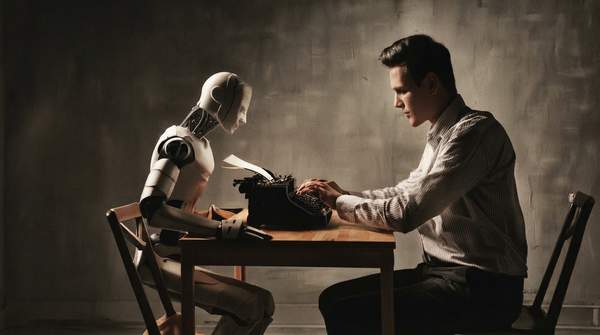
The Allure of Efficiency: Why Companies Embrace AI
Generative AI could cut film and TV production costs by up to 30 percent, say Morgan Stanley analysts, Autodesk News reports. This financial incentive drives aggressive industry adoption, prioritizing economic gains over long-term creative costs.
Companies like MirrorMe use AI to create presenters and adverts in multiple languages, cutting production overheads, the BBC reports. These practical advantages—lower labor costs and faster turnaround—make AI integration compelling. Immediate cost savings often overshadow concerns about creative homogenization or devalued human artistry, leading to rapid AI deployment across creative sectors.
This efficiency pursuit, however, overlooks new, substantial costs: IP infringement, content moderation, and brand protection, as Sony Music's massive takedown request shows. While AI offers financial efficiencies, hidden liabilities often offset these gains, suggesting true cost savings are overstated. Companies pushing AI-generated content for 30% cost reductions trade short-term financial gains for long-term creative erosion, risking audience fatigue from a homogenized landscape where 'Build-a-Breeze Castle' is the norm.
The Accelerating Shift: Industry Reactions and the Pace of Change
AI's velocity of change occurs in months, not years, unlike shifts from typewriters to PCs, the BBC reports. This rapid integration overwhelms existing protections, forcing creative industries into a reactive scramble.
Spotify, responding to the deluge of AI content, is beta testing 'Artist Profile Protection' for artists to review releases before they go live, TechCrunch notes. Spotify's beta testing of 'Artist Profile Protection' for artists to review releases before they go live shows the industry struggles to keep pace with AI's disruptive force. The industry scrambles to adapt, often reacting to problems rather than proactively shaping creativity's future.
The sheer volume of AI-generated content—Sony Music's 135,000 takedown requests are one example—shows the entertainment industry is drowning in algorithmically similar creations. This makes it harder for original human art to surface. AI's rapid integration leaves creative industries unprepared for the systemic devaluing of human artistic contributions, making most creative workers vulnerable to job insecurity and loss of livelihood.
The Future of Creativity: A Call for Human Value
AI has already taken over smaller copywriting jobs—blogs, social media posts, emails—for some clients, the BBC reports. This erodes entry-level creative positions, impacting emerging artists and writers.
ChatGPT users often produce overlapping responses with strikingly similar language, even independently. AI's pervasive influence extends beyond content generation, actively shaping human thought patterns. Without intervention, the creative landscape risks becoming a homogenized echo chamber, marginalizing human imagination for efficient, unoriginal algorithmic output.
The entertainment industry is at a critical juncture. Prioritizing short-term financial gains via AI risks sacrificing creative diversity and human talent. The current trajectory points to abundant but indistinguishable content, leading to audience fatigue and lost artistic value. By Q3 2026, major platforms like Netflix and Disney will likely face pressure to differentiate with genuinely unique human-led projects to combat algorithmic sameness.