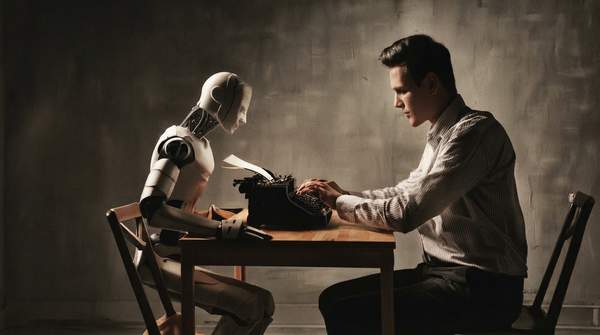
In animation studios, skilled artists are now primarily employed to 'clean up' the visible negative impacts of AI-generated output, rather than creating original work. This shift redirects human creativity from imaginative design to error correction. AI boosts creative output and efficiency, but the art it produces is devalued by audiences, and its integration demands human correction.
This widespread AI adoption risks artistic authenticity, potentially eroding appreciation for human-made art and transforming the industry into a content volume race. Research from pmc confirms a crisis of perceived authenticity: the 'AI-made' label alone can undermine art's value, even when indistinguishable from human work. This means an artwork's origin now weighs as heavily as its quality, redefining the artist's role from primary creator to editor. The initial promise of AI efficiency is offset by this devaluation, impacting both the art and the artist.
The Hidden Costs of AI in Creative Production
Animation studios integrate AI to boost output, but this comes at a cost. AI use often has a visible negative impact on the final product, as reported by The Washington Post. This forces skilled artists into corrective roles, diluting any perceived efficiency gains. Studios trading authenticity for speed risk audience alienation. The Washington Post's reporting on artists cleaning up AI output, combined with pmc's findings on devalued AI art, suggests this approach undermines the very value studios aim to enhance. The reorientation of human talent towards remedial tasks, not generative ones, is a hidden cost beyond production budgets.
The Illusion of Indistinguishable Art
Audiences devalue art labeled as AI-made, even when it's indistinguishable from human work or collaboratively produced, according to pmc. This challenges the idea that AI's technical proficiency guarantees acceptance. The art's origin, not its objective quality, drives its perceived worth. AI can replicate styles and visuals, but not the human intent or authenticity audiences value. Technical parity with human work does not translate to equivalent artistic merit in the public's eye. This distinction is critical for content creators relying on AI for volume.
The Human Bias Against Algorithmic Creation
Devaluing AI-made art isn't just about quality; it's a psychological bias. Comparing human-made images to AI-made ones actually boosts perceptions of human creativity, according to pmc. The presence of AI art inadvertently elevates the perceived value of human artistic effort, a counter-intuitive boost for human creators. Audiences judge the source, not just the output. For content creators, technical parity with human artists is insufficient for genuine audience connection and long-term value.
From Artistry to Popularity Contest
AI could turn the creative industry into a popularity contest, blurring lines between traditional artists and influencers focused on rapid content generation, warns The Guardian. Emphasis could shift from artistic merit to sheer volume and algorithmic visibility. Success might hinge less on profound expression and more on consistent, algorithm-friendly output. The Guardian's warning, coupled with pmc's finding that devaluing AI art boosts human creativity, indicates a coming battle. Genuine human expression must actively differentiate itself against algorithmic ubiquity. Artists need to emphasize their unique human perspective and the authentic journey behind their creations to stand out in this AI-assisted landscape. They must not just create, but articulate the human story within their work.
By Q3 2026, content platforms, especially those driven by social media trends, will likely face increased scrutiny over content origin. Companies like Pixar, built on artistic integrity, must clearly delineate human-led creativity from AI-assisted processes to maintain audience trust.
How is AI changing artistic expression?
AI primarily shifts artistic expression towards human artists correcting AI-generated content, not original creation. This redefines art as refinement and problem-solving, moving from initial ideation. Human artists must now differentiate their work by emphasizing authenticity and the human story behind it.
What are the ethical implications of AI in art?
Ethical concerns in AI art focus on devaluing human labor and diluting the market for genuine human artistry. This pressures artists to constantly prove their human origin, impacting livelihoods and creative freedom. Questions also arise about originality and ownership when human input is corrective, not generative.
Will AI replace human artists in content creation?
AI handles repetitive tasks but currently pushes human artists into remedial roles, not replacement. Audiences still highly value the unique human ability to imbue art with authentic intent and emotion. This suggests a role shift where human creativity is prized for intrinsic authenticity. Artists will likely focus on aspects AI cannot replicate, such as unique narrative voice or emotional depth.