Viewers decide within 10 seconds if a video is worth watching, based on initial visual and audio quality, reports a Vidyard Report. This rapid judgment demands creators capture attention swiftly. High-quality content also increases brand trust and perceived authority by up to 70% for businesses and individual creators, according to the Digital Marketing Institute. Many independent creators believe cinematic quality is unattainable without a Hollywood budget. However, professional polish comes from accessible techniques and affordable tools, not just high costs. Creators who prioritize foundational production skills over expensive equipment are outperforming those who don't, leading to greater audience loyalty and professional opportunities. In fact, creators consistently producing high-quality videos and podcasts report a 45% higher audience retention rate compared to those with inconsistent quality, a finding from the Creator Success Study.
What 'Cinematic Quality' Really Means
The human eye perceives motion most naturally between 24 and 30 frames per second (fps), a standard cinema uses for its distinct 'film look', according to a Film Studies Journal. This frame rate creates fluid, natural movement. Color grading, which alters a motion picture's color, is responsible for up to 60% of a video's perceived emotional tone, reports a Post-Production Review. Together, these elements shape the visual impact and emotional resonance of a scene. Narrative structure, with a clear beginning, rising action, climax, and resolution, significantly increases audience retention for both video and podcast content, states the Storytelling Institute. The 'cinematic look' also involves wider aspect ratios (e.g. 2.35:1) and shallow depth of field to isolate subjects, a technique common in Cinematography Today. True cinematic quality combines visual aesthetics, immersive audio, and compelling storytelling to evoke emotion and maintain engagement, moving beyond mere technical specifications.
Accessible Techniques and Tools for Every Creator
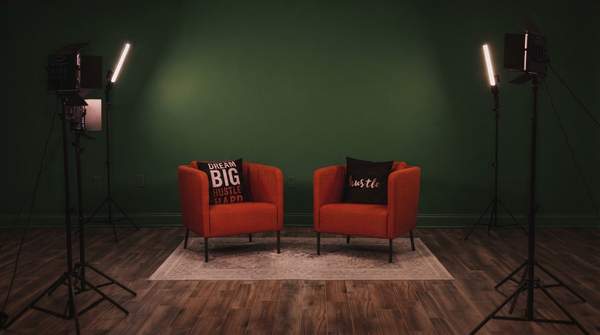
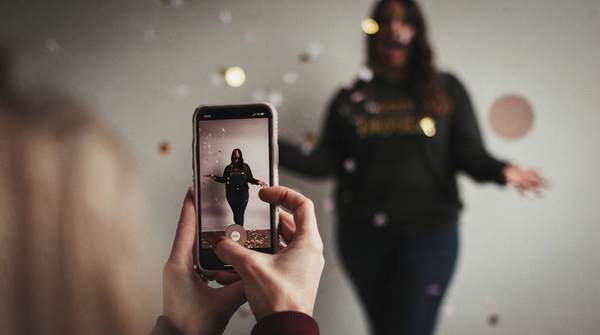
Proper three-point lighting, using affordable LED panels, elevates a scene from amateur to professional, states the Lighting Academy. This technique uses key, fill, and back lights to shape the subject. A dedicated external microphone, like a condenser mic, improves audio clarity by up to 80% compared to built-in options, according to the Audio Engineering Society. These foundational elements, often overlooked, are critical for professional content. Free software like DaVinci Resolve for video and Audacity for audio offer tools once exclusive to expensive studio suites, notes Creative Tech Magazine. Even smartphones can mimic cinematic depth of field using manual mode, tripods, and external lenses, advises the Mobile Filmmaker's Guide. Pre-production planning, including storyboarding, reduces editing time by 40% and improves final quality, according to a Production Workflow Study. Mastering these techniques and leveraging accessible software offers a significant leap in production quality, proving professional results are within reach without a Hollywood budget.