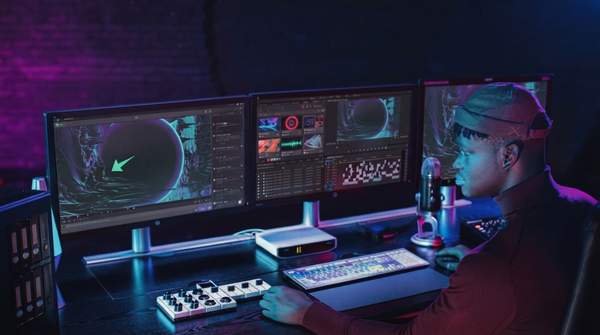
On the set of ROCKETMAN, Digital Imaging Technician Joshua Callis-Smith processed Alexa 65 footage in real-time using a Blackmagic eGPU. This advanced setup, connected to a 5K iMac via Thunderbolt 3, confirmed the intense technical demands of high-resolution digital cinematography, as reported by Ymcinema. Such capabilities are essential for maintaining visual fidelity in complex productions.
While the Digital Imaging Technician (DIT) is essential for maintaining image quality and workflow efficiency, their specialized technical expertise and significant equipment investment are not consistently valued across all production levels. This disparity often leads to critical technical contributions being overlooked in favor of budget constraints.
As digital filmmaking evolves with increasingly complex cameras and workflows, the DIT's role becomes even more critical, demanding greater recognition and standardized compensation. Their function extends beyond simple data handling, encompassing the entire image pipeline.
The Unseen Architect of Digital Imagery
The DIT's core responsibility extends beyond data downloading. It involves managing the entire image pipeline and ensuring proper camera care, as highlighted by Codex Online. DITs are central to the technical integrity of the visual output from capture.
DITs manage camera, data, color, and workflow, providing crucial support for the cinematographer, according to Eshop Macsales. They bridge the set and post-production, translating creative vision into technically sound digital assets. This oversight ensures a seamless, high-quality transition from camera to final edit.
From Set to Screen: A DIT's Daily Workflow
On set, a DIT intercepts the live camera feed, applies a Look Up Table (LUT) or preliminary grade, and transmits this processed image to the Village for examination. This setup allows directors, producers, and actors to review footage with an accurate representation of the intended final look, as noted by Ymcinema.

This immediate feedback loop enables creative teams to make informed decisions on set. Their work directly influences the final visual outcome, preventing costly reshoots or extensive post-production corrections. The DIT ensures creative intent is technically achievable and consistently maintained.
The Cost of Expertise: DIT Rates and Gear
The average day rate for a DIT is approximately $700, plus gear costs, according to Careersinfilm. This rate reflects the high level of specialized skill and technical knowledge required. However, rates vary significantly across production scales.
Beyond labor, a DIT's equipment rental package can range from $100 to $500 daily. This cost reflects the essential, often expensive, equipment a DIT brings to a production, crucial for maintaining quality and efficiency. Specialized hardware and software are indispensable for managing modern digital workflows.
Union Backing and Industry Recognition
The Digital Imaging Technician holds a recognized position within IATSE Local 600. This union affiliation confirms the DIT's established professional status within the film industry, highlighting their specialized craft.
Unionization provides a framework for standardized rates and working conditions, reinforcing the DIT as a distinct, essential role. This recognition validates the extensive training and technical investment DITs make in their careers. The DIT contributes significantly to the overall technical crew's expertise.
Navigating Budget Constraints
What skills are needed to be a Digital Imaging Technician?
Excelling as a DIT requires a deep understanding of camera systems, color science, and digital workflows. Proficiency in software like DaVinci Resolve, Pomfort Silverstack, and various transcoding tools is essential, alongside strong problem-solving skills under pressure. The role demands continuous learning to keep pace with evolving filmmaking technologies.
What is the difference between a DIT and a cinematographer?
A cinematographer shapes a film's visual aesthetic through artistic and technical decisions on lighting, composition, and camera movement. A DIT, conversely, acts as the technical guardian of the image, managing data integrity, color accuracy, and workflow efficiency from capture to post-production. These are distinct yet highly collaborative roles, ensuring the cinematographer's vision is accurately preserved and processed.
By Q3 2026, productions that continue to undervalue Digital Imaging Technicians will likely incur increased post-production costs due to compromised data integrity and inefficient workflows.