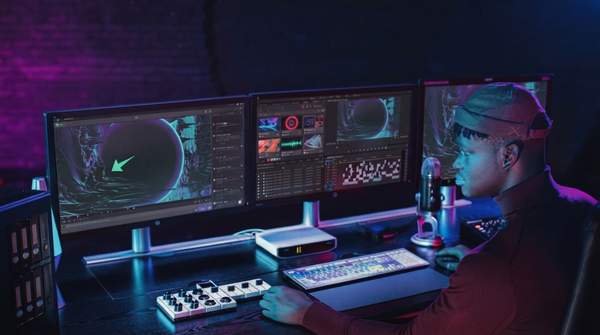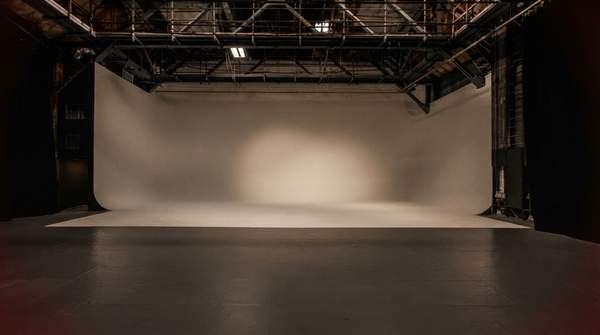
In the rapidly evolving landscape of film and television, the Virtual Production (VP) Supervisor has emerged as a critical figure, overseeing the complex integration of real-time visual effects with traditional filmmaking. This role serves as the central liaison between creative departments, technical crews, and physical production, ensuring that every element of a virtual production works in harmony. More than just a technical manager, the VP Supervisor is a collaborator and problem-solver tasked with guiding the entire real-time VFX pipeline, from initial concept to final delivery, making them indispensable to modern media creation.
Pre-Production: Laying the Virtual Groundwork
The success of a virtual production is often determined long before cameras roll, and the VP Supervisor is central to this foundational stage. During pre-production, they are responsible for designing the project's entire technical and creative workflow. According to The Virtual Production Glossary, this involves determining which specific VP techniques to employ, establishing a realistic budget, and defining the size and composition of the specialized crew. This planning phase requires a deep, comprehensive understanding of various tools and methodologies. The supervisor must evaluate the project's needs to decide on the best approach, whether it involves large-scale LED volumes, real-time compositing, or other virtual camera systems.
They map out how digital assets will be created, optimized for real-time performance, and integrated on set. This strategic foresight ensures that the chosen hardware, software, and personnel can work together seamlessly, preventing costly delays and technical hurdles during the shoot.
On-Set Execution: Real-Time Problem Solving and Integration
Once production moves to the set, the VP Supervisor becomes the go-to expert for managing the live integration of virtual and physical elements. Their primary on-set responsibility is to solve visual challenges in real time, ensuring that the digital environments displayed on LED walls appear flawless and blend perfectly with live-action components. This is a high-pressure role that demands both technical acuity and a sharp creative eye. The supervisor works closely with the director and cinematographer to achieve the desired look, translating creative ideas into actionable instructions for the real-time engine operators and other technicians.
They are constantly troubleshooting, addressing issues like lighting mismatches between the physical set and the virtual world, ensuring camera tracking is precise, and confirming that virtual assets integrate seamlessly with the LED wall. As a key liaison, the supervisor facilitates clear communication between the art department, the VAD (Virtual Art Department), physical production, and visual effects teams, managing expectations and ensuring the complex machinery of the production runs smoothly.
Post-Production Integration: Ensuring Continuity and Final Polish
While virtual production famously shifts much of the visual effects work from post-production to the live-action set, the VP Supervisor's role extends beyond the shoot. They serve as a crucial bridge to the post-production phase, ensuring a smooth handoff of data and assets. This coordination is vital for maintaining visual continuity between what was captured in-camera and any additional digital enhancements required later. The supervisor acts as the key point of contact for the visual effects and post-production departments, providing them with essential information and context from the set.
This includes camera data, lighting setups, specific versions of real-time assets used, and detailed notes on any shots that were flagged for further work. According to reporting from Frame.io Insider, this deep understanding of the entire pipeline is essential for guaranteeing that the final product aligns with the creative vision established during production, preventing a disconnect between the on-set and post-production teams.
Virtual Production Roles: A Comparative Overview
To fully appreciate the VP Supervisor's unique function, it is helpful to compare their responsibilities with other specialized technical roles on set. While positions like the LED Engineer or Motion Capture Supervisor have deep, focused expertise in a single domain, the supervisor's role is defined by its breadth and its responsibility for integrating all these moving parts into a cohesive whole.
| Role | Primary Focus | Key Responsibilities |
|---|---|---|
| Virtual Production Supervisor | Oversees the integration of virtual production techniques with the overall production, acting as a liaison between various departments. | In pre-production, they determine techniques, budget, and workflow. During production, they solve visual challenges in real-time and manage inter-departmental coordination. |
| LED Engineer | Manages and maintains the LED display solutions that create the virtual set. | Ensures that the LED walls are properly calibrated, synchronized, and functioning correctly throughout the shoot, as described by Exco Vision. |
| Motion Capture Supervisor | Oversees the motion capture process to ensure accurate data capture and integration into the virtual environment. | Works with various aspects of motion capture data, from puppeteering virtual characters to transferring live-action movements to virtual cameras. |
| Systems Technical Director | Responsible for the operation of all real-time specific hardware on a volume, including LED walls, render nodes, and tracking systems. | Handles the selection, integration, and operation of all related technical components to ensure the infrastructure is functional and optimized, according to Frame.io Insider. |
Becoming an Effective Virtual Production Supervisor
Aspiring Virtual Production Supervisors should focus on developing a hybrid skill set that combines technical proficiency in real-time engines and cinematography with strong communication and leadership abilities. Success in this role demands a unique blend of expertise. A comprehensive understanding of virtual production workflows is essential, including proficiency in real-time rendering technologies like Unreal Engine, motion capture systems, LED wall integration, virtual camera setups, and color pipelines. Beyond the technology, a supervisor needs sharp coordination, clear communication, and robust project management skills to guide diverse teams toward a unified goal.
The role is not defined by expertise in a single piece of software but by the ability to understand and orchestrate an entire ecosystem of technology and talent. The ultimate measure of an effective supervisor is the seamless execution of the production itself. Successful integration of virtual elements with physical production, efficient real-time problem resolution on set, and positive inter-departmental communication feedback are the key indicators of a job well done.