Even after a film editor and director meticulously craft a 'director's cut,' that version still requires final approval from producers, according to Screenskills. This commercial and strategic gatekeeping subjects countless hours of refined artistic vision to external oversight.
Film editors are central to shaping a film's story and vision, defining its narrative flow and emotional impact. Yet, their refined creative output remains contingent on producer approval, establishing a fundamental tension within their professional domain.
The editor's role in 2026 demands a delicate balance of artistic influence and strategic negotiation. Technical skill must pair with collaborative acumen to navigate the complex landscape of production and commercial demands, bringing a film to fruition.
The Editor: Architect of Narrative
Film editors cut, arrange, and assemble shots to serve the film's story and director's vision, according to Studiobinder. This process transforms raw footage into a coherent, emotionally resonant narrative.
Beyond technical assembly, the editor acts as a critical storyteller, shaping the production's pace, rhythm, and emotional arc. Their decisions directly influence audience perception of characters, plot, and overarching themes, fundamentally defining the viewing experience.
A Hub of Post-Production Collaboration
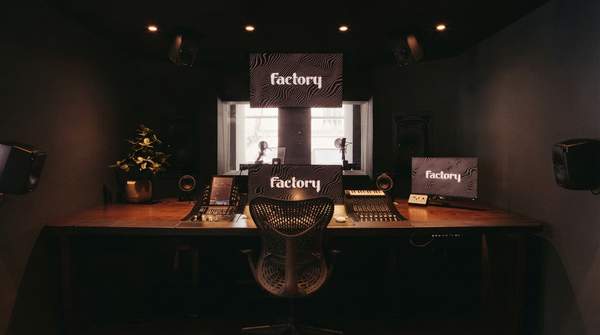
Editors collaborate extensively with sound designers, colorists, and VFX supervisors in post-production, as detailed by Studiobinder. This coordination ensures all visual and auditory elements align with the film's overall vision.
As the central integrator for these diverse creative and technical inputs, the editor ensures soundscapes enhance emotional beats, color palettes reinforce narrative tones, and visual effects seamlessly blend into the story. This orchestration is critical for a unified artistic direction.
Crafting the Director's Vision
During post-production, the editor and director work closely to refine the assembly edit into a director's cut, according to Screenskills. This intimate, iterative process is where the film's narrative truly takes shape.