Weighing just 179 grams, the DJI Osmo Pocket 3 records cinematic 4K video at 120 frames per second. It challenges the idea that professional video needs bulky gear. This ultra-compact device packs a 1-inch sensor, significantly larger than most action cameras, reports Clifton Cameras.
Content creators demand high-quality, stabilized video for dynamic shoots. Yet, many traditional vlogging cameras use less effective digital stabilization or need bulky external gimbals. This creates a dilemma: portability versus professional output.
As technology shrinks, integrating advanced features like mechanical gimbals into compact devices, these all-in-one solutions will become the go-to for entry-to-mid-level creators. This could force traditional vlogging cameras to specialize or cut costs.
The DJI Osmo Pocket series uses mechanical 3-axis gimbal stabilization. This physically stabilizes the lens for smooth footage, even on the move, Clifton Cameras reports. This integrated design means creators get stability without bulky external accessories, a key differentiator in the market.
Top Picks for Your Creator Kit
1. DJI Osmo Pocket 3
Best for: Dynamic content creators, travel vloggers, and filmmakers needing ultra-portable cinematic quality.
The DJI Osmo Pocket 3 combines a 1-inch CMOS sensor with a 20mm-equivalent f/2.0 lens on a mechanical 3-axis gimbal, reports Imaging Resource. It captures 4K video at 120 fps and includes a 2.0-inch rotating OLED touchscreen, all at 179 g. This feature set means creators get professional-grade slow-motion and smooth footage in a device that fits in a pocket, a significant leap for mobile production.
Strengths: Integrated mechanical stabilization, high frame rate 4K, extreme portability, large sensor | Limitations: Fixed lens, audio requires external mic | Price: ~$519
2. Sony ZV-1 II
Best for: Traditional vloggers, casual content creators, and those preferring a compact camera body with interchangeable lens capabilities.
The Sony ZV-1 II records 4K video at 30 fps and 1080p up to 120 fps, notes NYT Wirecutter. It features a 1-inch stacked sensor and an f/1.8–4 Zeiss lens. While a solid choice for traditional vlogging, its reliance on electronic stabilization and lower 4K frame rate position it as a more conventional option compared to integrated gimbal cameras.
Strengths: High-quality lens, good low-light performance, dedicated vlogging features | Limitations: Lacks mechanical stabilization, lower 4K frame rate | Price: $900
3. Smartphones
Best for: Beginners, social media creators, and those prioritizing convenience and immediate sharing.
Modern smartphones can produce cinema-grade video and serve as an excellent entry point for vlogging, per NYT Wirecutter. Their widespread availability makes them the most accessible tool for content creation, though their digital stabilization often falls short for dynamic movement.
Strengths: Always available, excellent software features, instant sharing | Limitations: Limited manual controls, digital stabilization often inferior | Price: Varies
4. DJI Wireless Microphones
Best for: All content creators requiring clear, professional-grade audio for interviews, vlogs, and narratives.
DJI wireless microphones integrate seamlessly with the DJI Osmo Pocket 3, offering a compact, high-quality audio solution, Imaging Resource reports. Clear audio is non-negotiable for professional content, making these a vital upgrade for any setup.
Strengths: Clear audio, wireless convenience, compact design | Limitations: Additional cost, requires charging | Price: ~$329
5. Gimbal
Best for: Filmmakers and creators using cameras without built-in stabilization, seeking smooth, cinematic movement.
A standalone gimbal is essential for perfectly steady handheld footage with cameras lacking integrated stabilization, states PCMag Middle East. This physical stabilization is crucial for dynamic shots with traditional camera setups.
Strengths: Superior stabilization for non-gimbal cameras, versatile | Limitations: Adds bulk and weight, requires setup | Price: Varies
6. Sony ZV-1
Best for: Budget-conscious creators seeking a dedicated vlogging camera with proven performance.
The original Sony ZV-1 costs as little as $650, reports NYT Wirecutter. It offers an affordable entry into Sony's vlogging ecosystem without sacrificing core image quality, making it a strong value proposition for new creators.
Strengths: Cost-effective, good image quality, compact | Limitations: Lacks advanced features of ZV-1 II, no mechanical stabilization | Price: $650
7. Tripod
Best for: Studio setups, interviews, stable outdoor shots, and time-lapses.
A tripod is crucial for studio scenes, advises PCMag Middle East. It ensures consistent framing and professional static shots, freeing creators to focus on other production elements.
Strengths: Provides stability, precise framing, frees hands | Limitations: Can be bulky, limits dynamic movement | Price: Varies
8. Lighting System
Best for: Any creator aiming to control visual quality, mood, and professionalism in their video content.
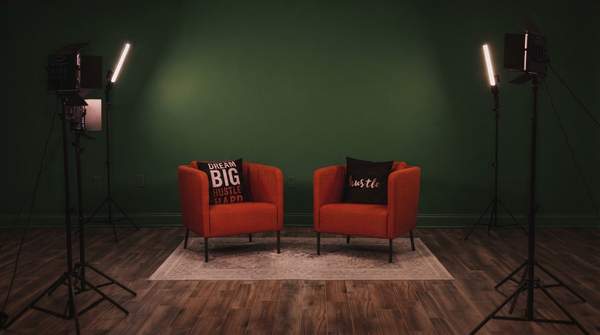
Add a lighting system for studio scenes, PCMag Middle East suggests. Proper lighting fundamentally enhances production value and achieves desired aesthetics, making it a critical investment for visual quality.
Strengths: Improves visual quality, controls mood, reduces shadows | Limitations: Requires power, adds setup time | Price: Varies
Head-to-Head: Vlogging Cameras vs. Gimbal Cams
| Feature | DJI Osmo Pocket 3 | Sony ZV-1 II |
|---|---|---|
| Price | ~$519 | $900 |
| Sensor Size | 1-inch CMOS | 1-inch Stacked CMOS |
| Stabilization | Mechanical 3-axis Gimbal | Electronic (Active Mode) |
| Max 4K Frame Rate | 120 fps | 30 fps |
| Weight | 179 g (0.39 lbs) | 292 g (0.64 lbs) |
| Screen | 2.0-inch Rotating OLED | 3.0-inch Vari-angle LCD |
Key differences are highlighted in the table. The DJI Osmo Pocket 3 offers a powerful feature set at a significantly lower price point than the Sony ZV-1 II. Its ability to record 4K at 120 fps provides a distinct advantage for slow-motion, a crucial capability for dynamic content, Imaging Resource reports. While the ZV-1 II caters to traditional vlogging, the Osmo Pocket 3's integrated mechanical gimbal and superior frame rates position it as a more future-forward choice for creators prioritizing stability and cinematic effects.
The Verdict: Choosing Your Essential Gear
The DJI Osmo Pocket 3 offers a compelling modern alternative for creators prioritizing integrated mechanical stabilization and ultimate portability without sacrificing image quality. It often delivers better value and features than traditional vlogging cameras, outperforming even the newer ZV-1 II in key areas like high-frame-rate 4K video. This market shift, driven by demand for superior stabilization and high frame rates in ultra-portable packages, challenges traditional camera designs, as evidenced by the Osmo Pocket 3's 4K 120fps and mechanical gimbal capabilities, Imaging Resource confirms. Creators are no longer willing to compromise portability for quality.
Consider your primary use case. If you need a versatile, pocket-sized device for cinematic, stabilized footage on the go, the DJI Osmo Pocket 3 stands out. If you prefer a traditional camera form factor with a strong lens for static shots and don't mind external stabilization, the Sony ZV-1 II or the original Sony ZV-1 (starting at $650, NYT Wirecutter) could be suitable. By Q4 2026, continued innovation in integrated gimbal cameras like the Osmo Pocket 3 will likely solidify their position as essential gear for dynamic content creation.
Your Questions Answered
What are the most important video editing accessories?
Beyond cameras and microphones, a powerful computer with sufficient RAM and storage, a high-resolution monitor for accurate color grading, and reliable external hard drives for backup are crucial. These tools streamline post-production.
What are the essential accessories for YouTube videos?
Prioritize clear audio with a dedicated microphone, stable footage (integrated gimbal or external gimbal), and good lighting. A reliable tripod is also essential for static shots and interviews, ensuring professional presentation.
Is the DJI Osmo Action 6 a good option for outdoor content.oor content?
The DJI Osmo Action 6 is waterproof and shock-resistant, making it a robust option for outdoor and adventure content creators, Clifton Cameras reports. Its durable design offers a different specialization from the Osmo Pocket series.