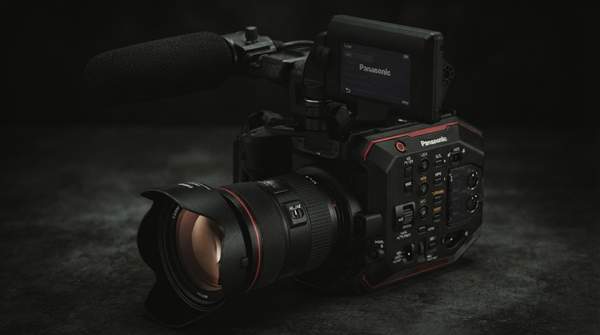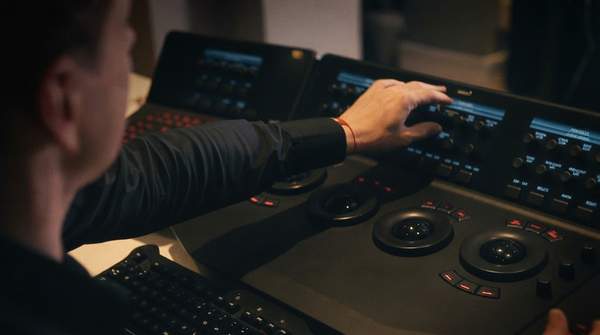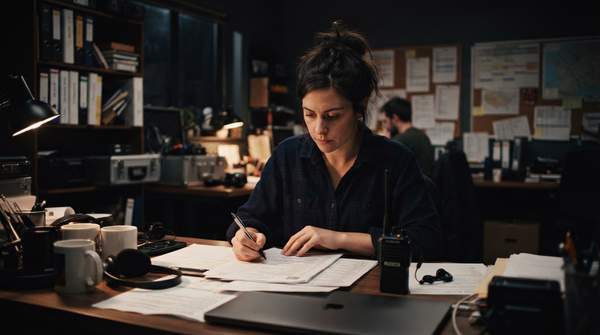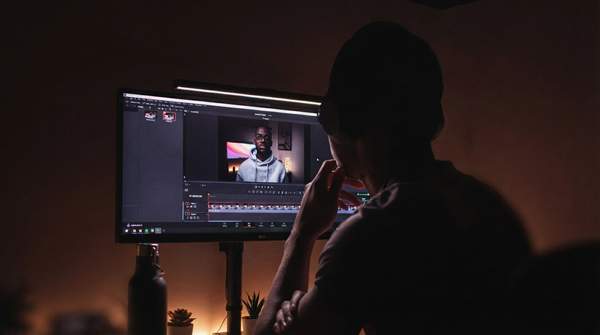
The best behind-the-scenes format for your project depends on one strategic match: your primary marketing goal against your production capacity. Short-form vertical clips generate hype and awareness cheaply; long-form "making-of" content builds trust and authority at a higher production cost; interviews humanize your brand on a modest budget; and live streams trade polish for immediacy. This guide lays out the trade-offs and shows how one BTS shoot can feed all of these formats.
Understanding Behind-the-Scenes Content: Why It Matters
Behind-the-scenes content is not filler between releases; it is a distinct engagement strategy. Research published in the Journal of Broadcasting & Electronic Media suggests that providing a backstage view may help producers maintain a broader and more loyal audience, humanize a brand, and increase engagement in the form of likes, shares, and comments. The study also notes that BTS material showcases product transparency, offering an authentic window into the production process.
That authenticity advantage is echoed by industry observers. Writing for SmartVideo by Swarmify, Fredrick Muriuki argues that behind-the-scenes, user-generated, and testimonial videos "build trust faster than polished brand content." For filmmakers, this means the unpolished footage accumulating on set is itself a marketing asset — the strategic question is which shape to give it.
Strategic Formats for Behind-the-Scenes Content
Four formats cover most BTS needs. Short-form clips — TikToks, Instagram Reels, and YouTube Shorts — are typically under one minute and, as J.J. Coleman's content-format guide for Graduate School USA notes, are the highest-performing formats on social media. Long-form "making-of" content, such as a five-minute documentary companion piece, rewards audiences who want depth and narrative. Interviews with experts or team members serve both education and humanization. Live streams and Q&As add real-time interaction, though the evidence base here is thinner than for the other formats.
Format expectations also differ by platform. Muriuki's guidance is concrete: shoot 9:16 vertical (1080×1920) for Reels, TikTok, Shorts, and Stories; 16:9 (1920×1080) for YouTube, demos, and interviews. Monk Creatives, a production-focused outlet, reports that vertical BTS reels with captions and trending audio tend to outperform horizontal BTS clips on Instagram and TikTok, because users associate that format with authentic, personal moments.
Behind-the-Scenes Content Format Decision Matrix
The matrix below compares the four key formats across the three dimensions that drive the selection decision: what each format is strategically best at, what it costs you in production effort, and where it performs. Use it by first identifying your primary goal, then checking whether your production capacity matches the effort column.
| Format | Primary Marketing Goal | Typical Production Effort | Optimal Platforms |
|---|---|---|---|
| Short-form clips (Reels, TikToks, Shorts) | Generating hype, awareness, and quick engagement; capturing attention and spreading across social platforms | Low — under one minute, minimal post-production; the accessible choice for smaller teams | TikTok, Instagram Reels, YouTube Shorts (vertical 9:16) |
| Long-form "making-of" | Building trust, establishing authority, and demonstrating value through detailed information | High — demands more time, higher quality, and more extensive post-production; be selective and strategic | YouTube and website content hubs, as companion content to a brand film |
| Interviews (team, expert, testimonial) | Humanizing the brand, building trust, showcasing expertise and team culture | Relatively low — consistent content without a big production budget | YouTube (16:9), LinkedIn; adaptable to short clips elsewhere |
| Live streams / Q&As | Real-time audience connection and immediacy | Low editing burden but requires live coordination and presence | Platform-native live features (Instagram, TikTok, YouTube) |
The trade-off at the matrix's core is reach versus depth. A comparison by sureshot.video frames it directly: short videos under ten minutes capture attention and drive awareness, while long videos over ten minutes build trust and convert viewers by addressing concerns in detail. The same source argues the debate resolves when you stop choosing sides and use both — quick clips attract casual viewers while comprehensive videos convert serious ones.
Effort asymmetry matters for small teams. Hannah Tran, writing for Colorado State University's social media team, is blunt: "short-form video is where it's at now" for those with smaller teams and resources, while long-form demands a higher level of quality and production. Peter DeLap of Sproutbox adds a useful counterpoint — the brands that win on YouTube long-form "aren't always the ones with the biggest budgets. They're the ones who show up regularly with genuine perspective."
Maximizing Impact: Repurposing Your BTS Assets
The most efficient BTS strategy is not choosing one format but planning one production to feed several. Monk Creatives reports that the same raw footage can be shaped for multiple outputs with relatively little extra effort, because BTS content performs differently across platforms. A single making-of shoot can yield a five-minute YouTube documentary, a series of vertical clips with captions and trending audio for Instagram and TikTok, and still frames or quote graphics for feeds.
The key is deciding this before the shoot. If you know a long-form interview will later be cut into short clips, you capture it with that editing plan in mind — clean answers, vertical-safe framing where possible, quotable moments. Repurposing planned after the fact always costs more than repurposing planned before.
Planning for Multi-Platform Success
A practical workflow follows from the evidence. First, define your primary goal for the project: hype, trust, or authority. Second, pick the anchor format from the matrix that matches both that goal and your capacity. Third, plan the shoot to generate derivative assets: a long-form making-of becomes the source for vertical clips; an interview becomes clips plus quote graphics. Fourth, adapt each edit to platform expectations — vertical with captions and trending audio for Instagram and TikTok, longer narrative depth for YouTube.
This is not merely efficiency for its own sake. The sureshot.video comparison describes the outcome as a content ecosystem in which each format serves a distinct objective, and the academic research on BTS content supports the premise that the backstage view itself drives the engagement — meaning more surface area across platforms multiplies the opportunities for that engagement to occur.
Making Your BTS Content Strategy Actionable
The decision is to strategically select behind-the-scenes content formats and plan for repurposing to align with marketing goals and maximize content value. Match the format to the goal — short-form for hype, long-form for trust and authority, interviews for humanization — and design every shoot to produce multiple platform-ready assets from the outset.
The measurable indicator is increased audience engagement metrics — watch time, shares, and comments — across diverse platforms, indicating effective format selection and repurposing. Track these per format and per platform after your next BTS production cycle; if the short clips drive shares while the long-form drives watch time, that division of labor is the strategy working as the evidence predicts.
Sources
- Tandfonline
- 10 Social Media Video Formats That Work (2026) — SmartVideo by Swarmify
- Content Types in Content Marketing: A Guide to Formats and What Performs Best - Free Video Tutorial — Graduate School USA
- Behind-the-Scenes Content: How to Film It Without Derailing Your Main Production — Monk Creatives
- Short Form Video vs Long Form: What to Use, When, and Why — Sureshot
- Short-Form vs. Long-Form Video — Sproutbox