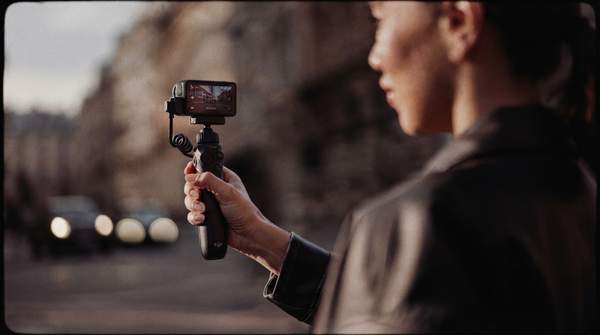
A new era of personal recall was announced. Systems promise to answer questions like 'Where did I leave my concert tickets?' by analyzing past video streams, according to Morningstar. This agentic AI development suggests individuals could soon retrieve mundane life details with unprecedented ease.
Agentic AI offers revolutionary convenience by understanding our visual world. However, this capability necessitates continuous, deep surveillance of personal environments. Its core value in personal settings is active, intelligent querying and synthesis of visual and auditory data, not just passive recording.
Widespread adoption of agentic AI in video will likely force society to confront profound ethical and practical implications. We will trade privacy for hyper-personalized assistance. This transforms raw video into actionable, searchable memory, making pervasive monitoring an inevitable feature of daily life.
The Imminent Reality of Personal Recall
Pervasive agentic AI became a concrete product launch, shifting the discussion from 'if' to 'when,' according to Morningstar. This specific date confirms agentic AI for personal recall is an imminent reality. It forces an immediate societal reckoning with pervasive visual surveillance, moving beyond theoretical discussions to practical implementation challenges.
The Dawn of Agentic Media Production
Morningstar highlights TapNow bringing agentic AI filmmaking into real production. This marks a pivotal moment for autonomous AI agents in creative video tasks.
However, TapNow's filmmaking focus contrasts with a developer's insight into personal recall and environmental querying. This implies divergent market applications for agentic AI, potentially leading to different regulatory or ethical considerations for each use case. The technical infrastructure for continuous visual and auditory monitoring is already mature enough to support 'perfect recall'.